Digital Twins in the United States
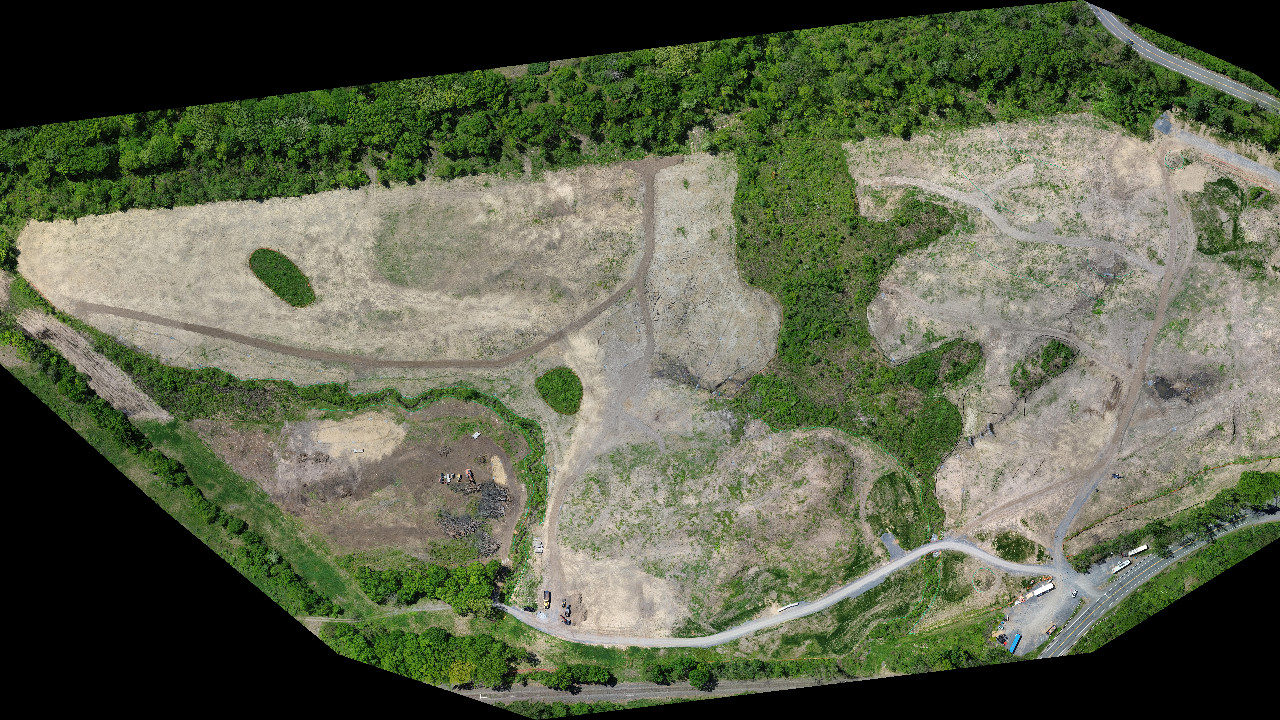
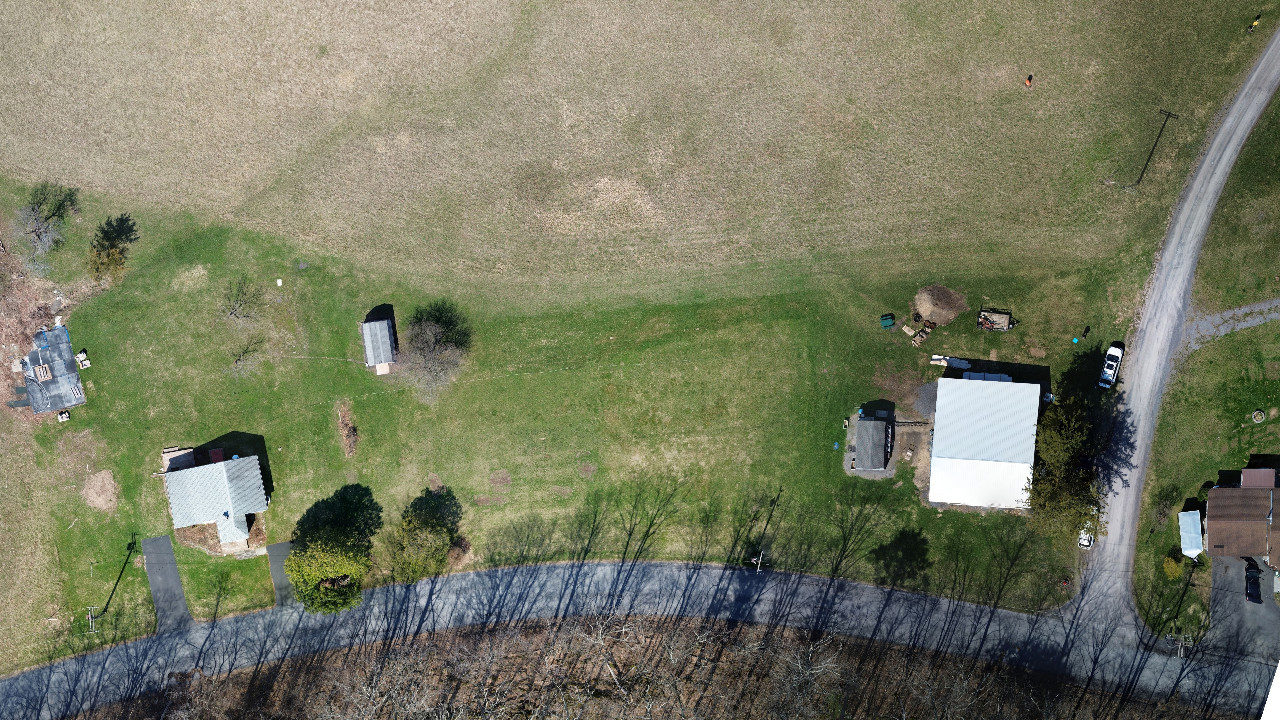
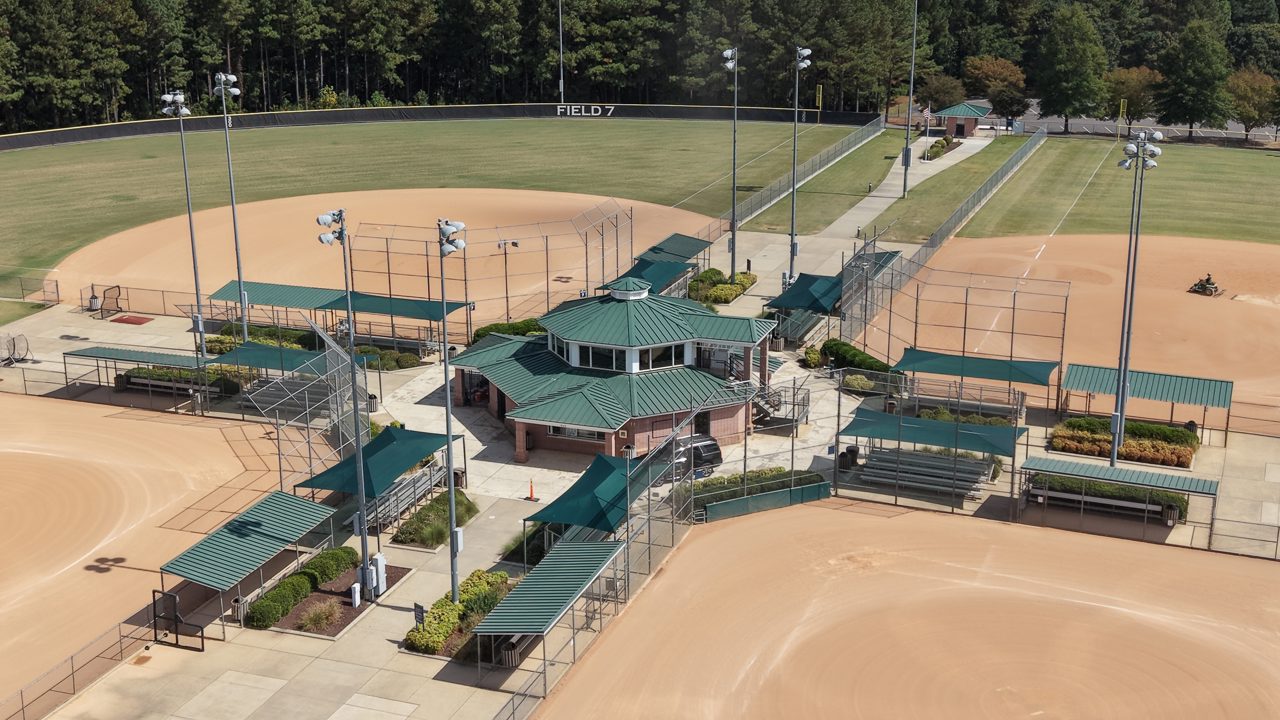
The United States is a vast country known for its diverse landscapes, advanced technology, and innovative industries. From bustling cities to serene natural parks, the U.S. is at the forefront of adopting digital twin technology. This page highlights various digital twin applications throughout the country, showcasing how drones and sensors are transforming industries by providing actionable insights for risk prevention and detection.
Digital twins are virtual replicas of physical entities. They use real-time data to simulate, analyze, and optimize performance. In the United States, digital twins are employed across various sectors, including infrastructure, agriculture, energy, and urban planning. The integration of drones and sensors enhances the capabilities of digital twins, allowing for precise monitoring and data collection.
Applications of Digital Twins in the U.S.
In the United States, digital twins are utilized in numerous ways:
- Infrastructure Management: Cities are using digital twins to monitor bridges, roads, and buildings. Real-time data enables infrastructure managers to assess the condition of structures and predict maintenance needs, enhancing public safety.
- Agriculture: Farmers are employing digital twins to optimize crop yields. By using drones to gather data on soil conditions, moisture levels, and plant health, farmers can make informed decisions about irrigation and fertilization.
- Energy Sector: Energy companies are implementing digital twins to monitor and optimize the performance of power plants and grids. This technology helps identify potential issues before they escalate, ensuring reliable energy supply.
- Urban Planning: City planners use digital twins to visualize urban development. By simulating different scenarios, they can assess the impact of new projects on traffic, environment, and community well-being.
- Environmental Monitoring: Digital twins are also used to track environmental changes. Sensors placed in various ecosystems provide real-time data that aid in conservation efforts and disaster response.
How Digital Twins Enhance Risk Prevention
Risk management is crucial in various sectors. Digital twins enhance risk prevention in several ways:
- Predictive Maintenance: By analyzing data from sensors, organizations can predict when equipment might fail. This proactive approach minimizes downtime and reduces repair costs.
- Real-Time Monitoring: Continuous data collection allows for real-time monitoring of critical systems. Quick detection of anomalies helps organizations respond promptly to potential risks.
- Scenario Simulation: Digital twins enable users to simulate various scenarios, assessing potential risks and developing mitigation strategies. This capability is invaluable in emergency planning and response.
- Data-Driven Decisions: Organizations can base their decisions on accurate, real-time data rather than assumptions. This leads to better resource allocation and risk management strategies.
Benefits of Using Drones and Sensors
The combination of drones and sensors with digital twins offers numerous advantages:
- Cost Efficiency: Drones can cover large areas quickly and cost-effectively, reducing the need for manual inspections and extensive labor.
- High-Quality Data: Sensors provide precise measurements and real-time data, enhancing the accuracy of digital twins.
- Accessibility: Drones can access hard-to-reach locations, allowing for comprehensive data collection in various environments.
- Speed: The speed of data collection and analysis can significantly improve response times to potential risks.
Case Studies in the U.S.
Several organizations in the United States have successfully implemented digital twin technology:
- City of Los Angeles: Los Angeles utilizes digital twins for urban planning. By simulating development projects, city officials can evaluate the potential impact on traffic flow and public resources.
- NASA: NASA employs digital twins to monitor spacecraft systems. This technology enhances the reliability of missions by simulating different operational scenarios.
- John Deere: In agriculture, John Deere uses digital twins to help farmers optimize equipment performance and crop management through real-time data analysis.
These examples demonstrate how digital twins can provide valuable insights across various sectors in the U.S. By leveraging advanced technologies, these organizations are improving efficiency, safety, and sustainability.
Conclusion
The adoption of digital twin technology in the United States is reshaping industries by providing actionable insights for risk prevention and detection. As more organizations recognize the benefits of integrating drones and sensors with digital twins, we can expect continued innovation and improvement in various sectors. The future of risk management and operational efficiency looks promising with these advancements.
FAQ
What is a digital twin?
A digital twin is a virtual representation of a physical object or system, created using real-time data from sensors and other sources. It allows for simulation, analysis, and optimization of performance.
How do drones contribute to digital twin technology?
Drones collect high-quality data from various environments, which is essential for creating accurate digital twins. They can quickly cover large areas and access hard-to-reach locations.
What industries can benefit from digital twins?
Many industries, including infrastructure, agriculture, energy, and urban planning, can benefit from digital twins by enhancing efficiency, safety, and decision-making processes.
How does digital twin technology improve risk management?
Digital twin technology enhances risk management by providing real-time monitoring, predictive maintenance, and scenario simulation, enabling organizations to respond proactively to potential risks.
Can digital twins help with environmental monitoring?
Yes, digital twins can be used for environmental monitoring by tracking changes in ecosystems and providing real-time data that aids in conservation efforts and disaster response.